History & Heritage
The Extraordinary History of Baharampur
Origins: From Ancient Settlements to Nawabi Splendour
The story of Baharampur is inseparable from the grand arc of Bengal's history. Archaeological evidence suggests that settlements along the Bhagirathi in this region predate the Mughal era by centuries — the fertile alluvial plains attracted early cultivators who found the river a reliable source of sustenance, transport, and trade. However, it was during the twilight of the Mughal Empire in the early 18th century that Baharampur and its immediate environs truly came into their own as a major centre of civilisation.
Murshid Quli Khan, appointed as the Diwan (revenue minister) of Bengal by the Mughal Emperor Aurangzeb in 1700, is the figure most responsible for the transformation of this region. After assuming the title of Nawab Nazim of Bengal in 1717, he shifted the provincial capital from Dacca (modern Dhaka) to Murshidabad — just kilometres from present-day Baharampur — renaming it after himself. Under his shrewd economic stewardship, Bengal became the most prosperous province of the Mughal Empire, generating revenue that constituted nearly half of the empire's total income.
Baharampur developed simultaneously as a military cantonment and commercial entrepôt. Its strategic position on the Bhagirathi allowed it to control river trade between the interior and the Bay of Bengal. Merchants from Gujarat, Rajasthan, Armenia, and later Britain and France established trading houses and counting rooms in the city. The East India Company, recognising the commercial potential of the region, set up a factory here as early as the 1660s, long before it became the dominant power in Bengal.
The Nawabi Golden Age
The period between 1717 and 1757 — the reign of the Nawabs of Bengal — represents Murshidabad and Baharampur's golden age. Under Alivardi Khan (r. 1740–1756), the city reached extraordinary heights of prosperity. Contemporary accounts describe Murshidabad as surpassing London in wealth; the Nawab's treasury reportedly held bullion reserves that dwarfed those of most European monarchies. This wealth translated into an explosion of architectural patronage, artistic production, and cultural refinement.
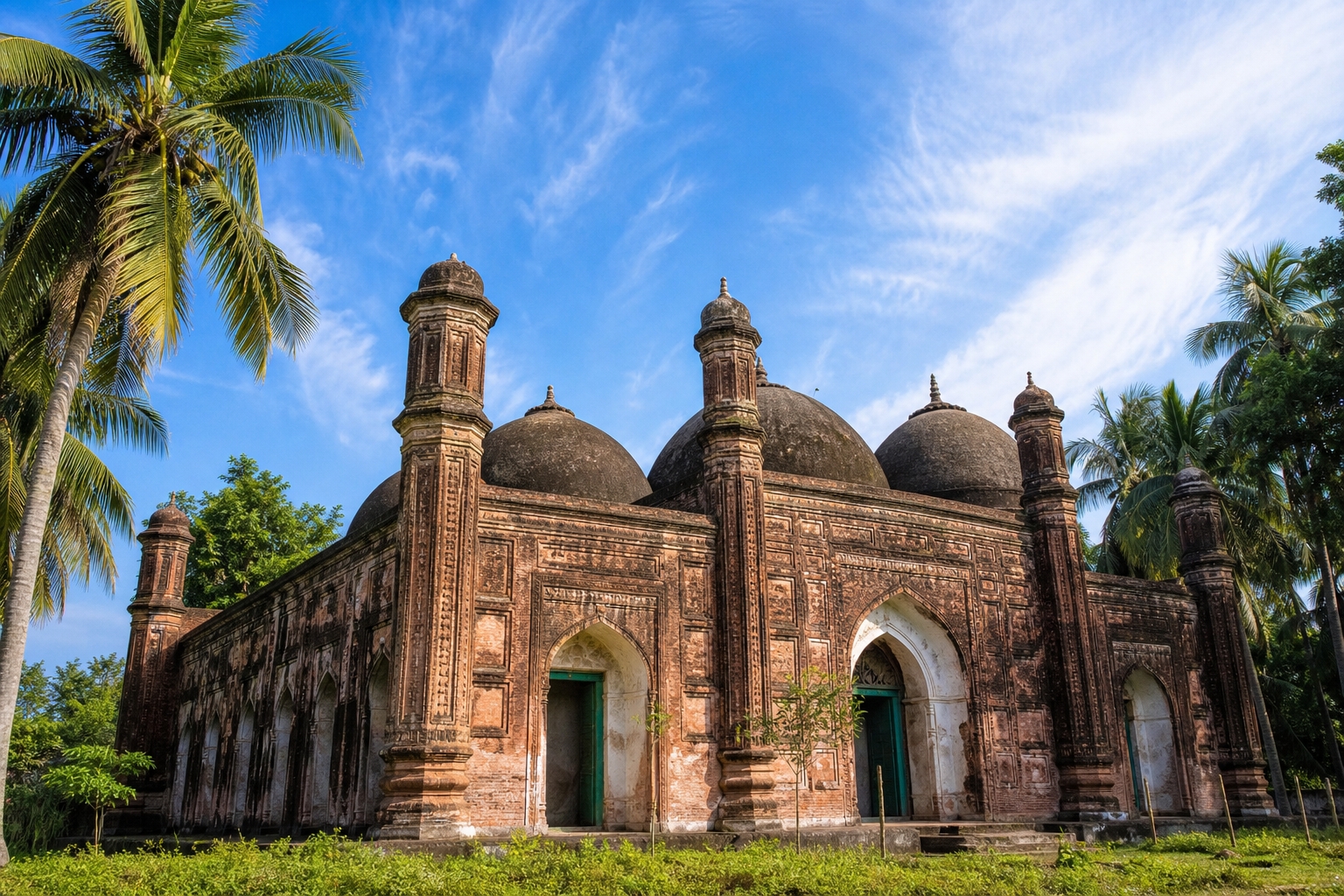
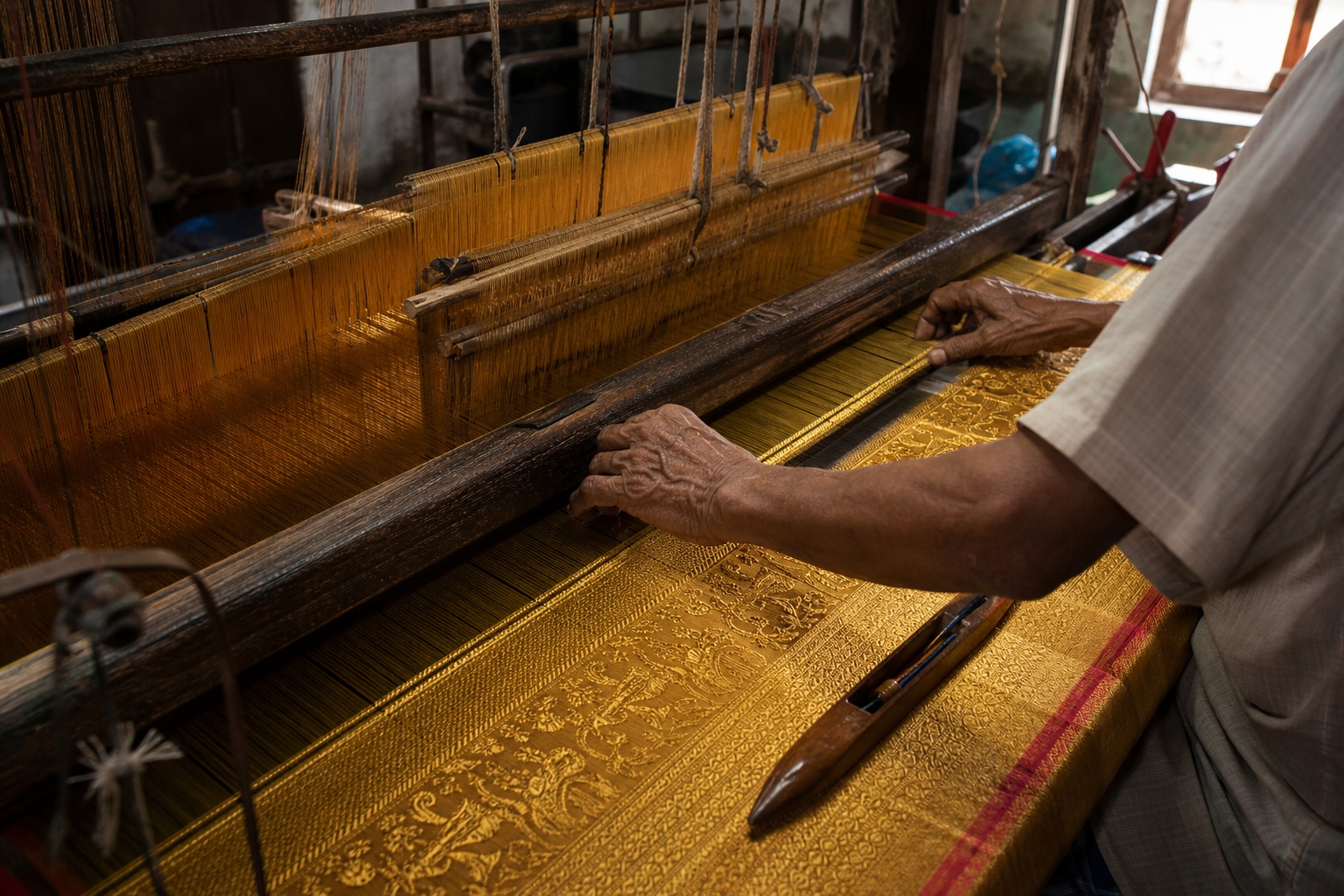
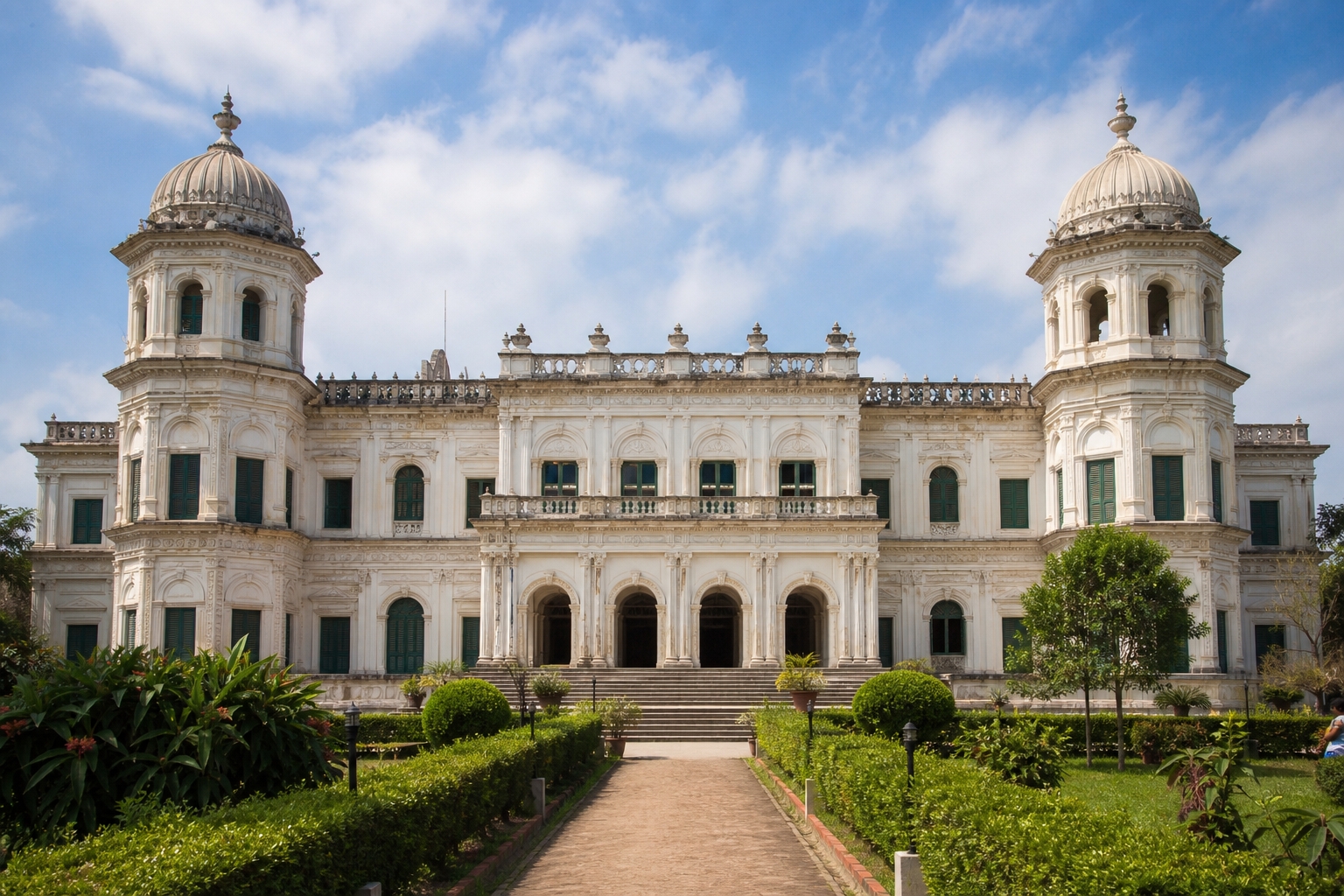
Grand mosques, imambaras, caravanserais, and residential palaces were constructed across the district. Murshidabad silk — already famous across the subcontinent — gained international renown as it was traded along European trade routes. Weavers producing katan silk sarees could command prices that placed their creations among the luxury goods of the known world. The city attracted poets, musicians, physicians, architects, and scholars from across the Islamic world, creating a cosmopolitan intellectual environment that left lasting marks on Bengali culture.
The Battle of Plassey and Its Aftermath
The fateful Battle of Plassey on 23 June 1757 — fought just 40 kilometres north of Baharampur — marked a turning point not just for the city but for the entire subcontinent. Siraj ud-Daulah, the last independent Nawab of Bengal, was defeated by the forces of the British East India Company under Robert Clive in a battle remembered as much for betrayal as for military prowess. The treachery of Mir Jafar, the Nawab's commander-in-chief who had secretly allied with Clive, ensured British victory and ushered in over 200 years of colonial rule.
In the decades following Plassey, Baharampur became the site of a significant British military cantonment. The Berhampore Cantonment, established in the 1760s, was among the earliest permanent British military installations in Bengal. The garrison at Berhampore played a complex role in colonial history — it was here that the sepoys' discontent with the introduction of greased cartridges first burst into open insubordination in February 1857, two months before the famous rising at Meerut that traditionally marks the beginning of the Indian Rebellion of 1857.
Colonial Architecture and the British Legacy
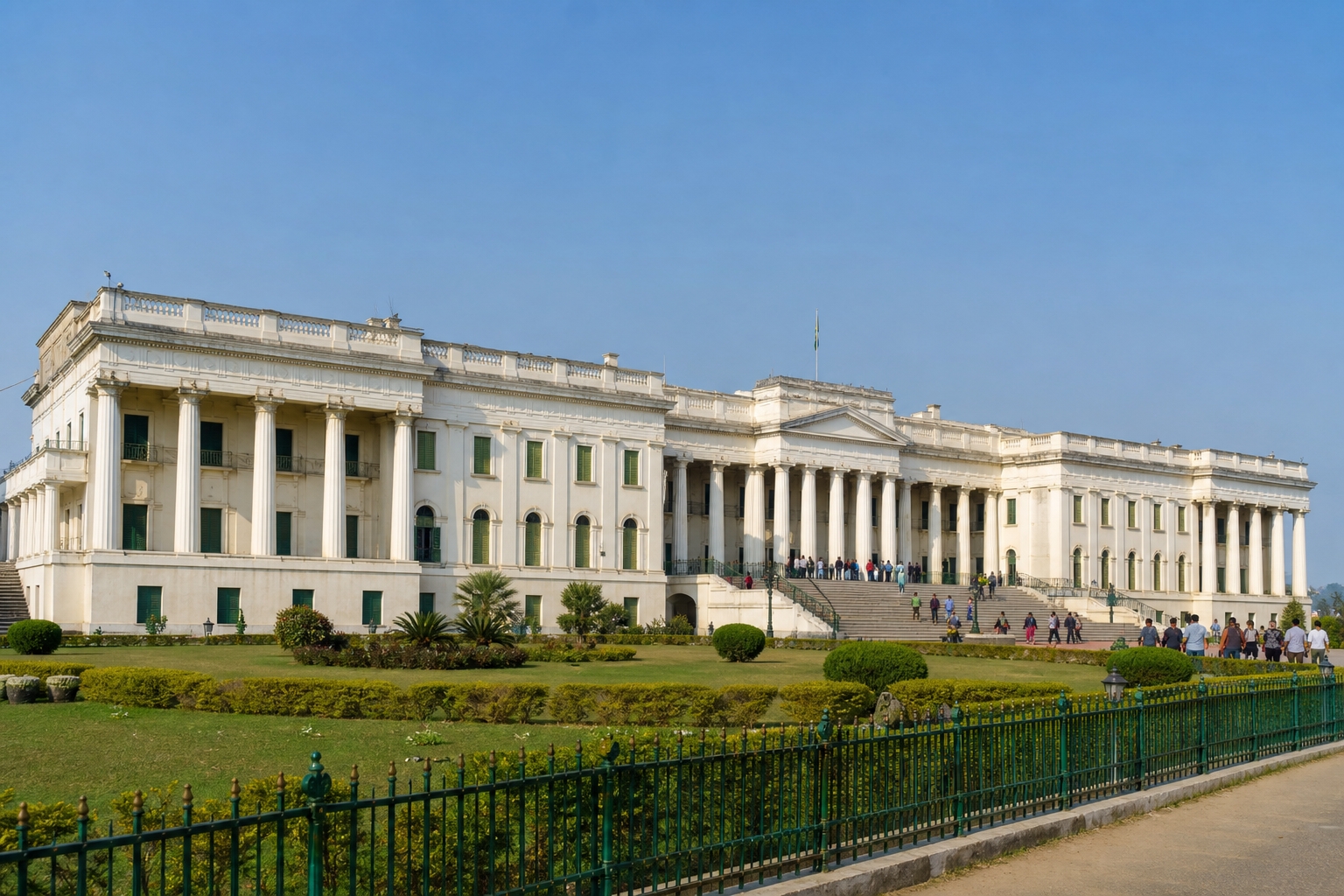
The British period left Baharampur with an intriguing layer of Indo-European architecture. Victorian-era administrative buildings, churches, and bungalows sit alongside Nawabi-period mosques and imambaras, creating a uniquely layered urban landscape. The Krishnanath College, one of West Bengal's oldest educational institutions, was founded during this period and continues to function as a centre of higher education. Post-independence, Baharampur continued its role as the administrative capital of Murshidabad district — one of the most populous districts in India. While the city modernised, it never entirely shed its historical identity.
Geography and Natural Setting
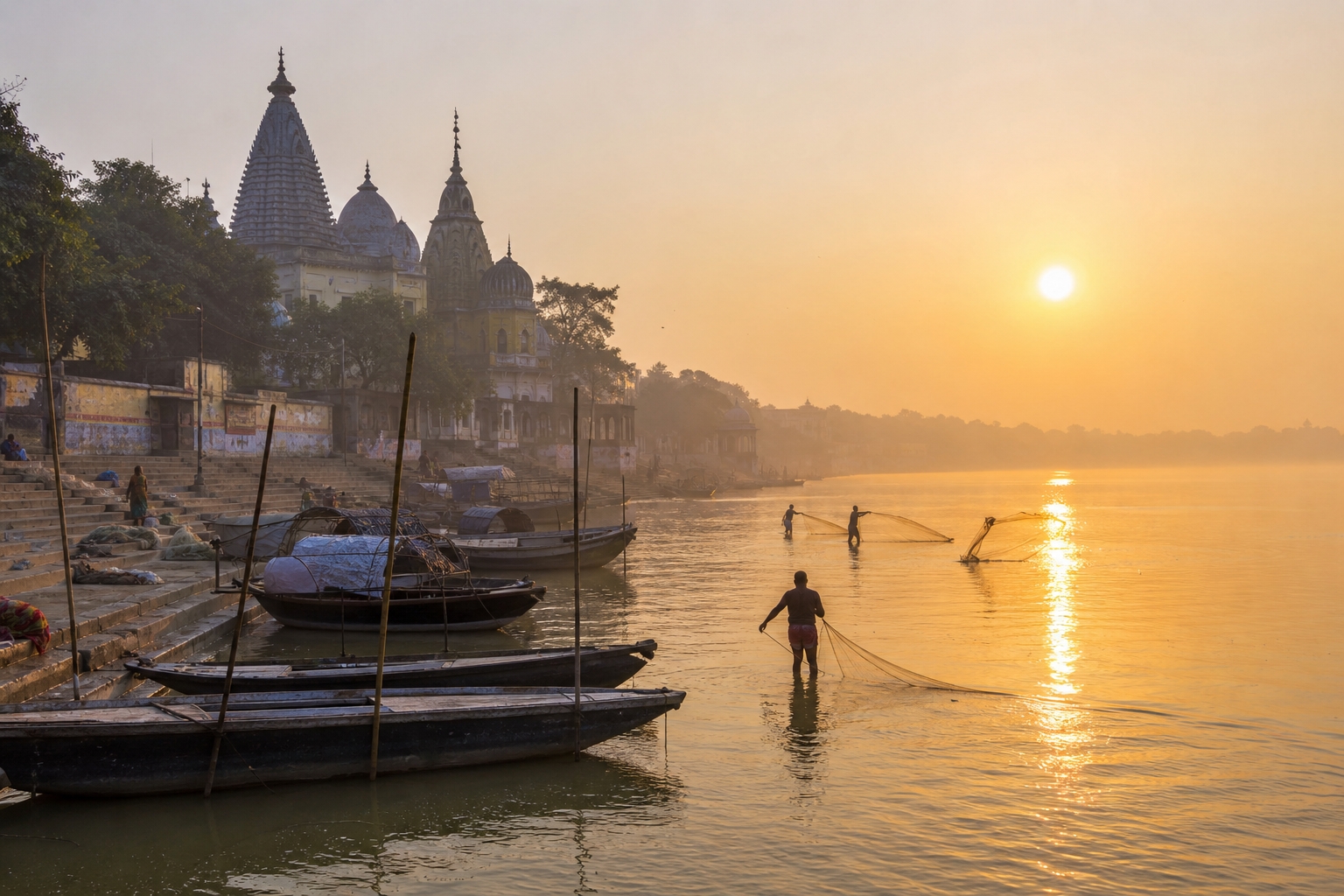
Baharampur occupies a flat alluvial plain at an elevation of approximately 18 metres above sea level. The Bhagirathi River, which flows along the city's eastern edge, is not merely a geographical feature but the spiritual and cultural soul of the community. Fishermen have plied its waters for centuries; its banks host temples, cremation ghats, and bathing platforms where the rhythms of daily life play out with an almost meditative regularity. The monsoon season (June to September) brings both blessing and challenge — the Bhagirathi swells dramatically, and the surrounding countryside turns an impossibly lush green. Winters are mild and pleasant, making October through March the ideal period for heritage tourism.